How to Remove Beard Dandruff and Stop the Itch: A No-Nonsense Fix for Flaky, Itchy Beards
A beard should look rugged: not neglected.
If white flakes keep showing up on your shirt, or the skin under your beard itches through the day, you need more than a quick rinse and a scratch. Beard dandruff, often called beardruff, usually points to a problem with the skin beneath your facial hair. Dryness, trapped sweat, product buildup, poor washing habits, and dandruff-related skin conditions can all create the same irritating result.
The good news: a consistent routine can make a serious difference.
This guide explains how to remove beard dandruff, how to stop beard itch, and how often you should wash your beard without stripping away everything your skin needs to stay balanced.
Beardruff vs. Real Dandruff: What’s the Difference?
“Beardruff” is a general term for flakes in the beard. It does not describe one specific condition.
In many cases, beardruff comes from dry or irritated skin. Cold weather, hot showers, harsh cleansers, and over-washing can damage the skin barrier and leave the area tight, itchy, and flaky.
Other times, beardruff may be connected to seborrheic dermatitis, a dandruff-like condition associated with oil, inflammation, and the naturally occurring yeast Malassezia. It can cause:
- White or yellowish flakes
- Redness beneath the beard
- Greasy or irritated patches
- Persistent itching
- Scaling around the mustache, cheeks, or jawline
Product residue can also mimic dandruff. Beard oil, balm, sweat, dirt, and dead skin can collect beneath a dense beard if you do not cleanse down to the skin.
According to the American Academy of Dermatology, persistent scaling or rash may require more than grooming products. If your skin burns, oozes, cracks, becomes painful, or refuses to improve, speak with a dermatologist.

What Causes Beard Dandruff and Beard Itch?
Before you try to fix the flakes, identify what may be causing them.
Dry skin
The skin beneath your beard can dry out even when the hair itself looks healthy. Hot water, cold air, indoor heat, and aggressive cleansers pull moisture from the skin. Dry skin then flakes and itches.
Product buildup
Oil and balm help condition a beard, but more is not better. Applying too much product: or failing to wash regularly: can trap sweat, dead skin, dirt, and residue beneath the hair.
Poor wash routine
A quick splash does not clean the skin under a thick beard. On the other hand, scrubbing hard or washing with harsh shampoo every day can strip natural oils and make irritation worse.
Fungal or inflammatory conditions
Seborrheic dermatitis can affect the beard area just as it affects the scalp. If flakes return quickly, appear greasy or yellow, or come with redness and persistent itch, consider professional medical advice.
Irritating products
Heavy fragrance, drying alcohols, harsh shampoos, and rough exfoliation can all bother sensitive skin. Your beard care should clean and condition: not punish your face.
How Often Should You Wash Your Beard?
For most men, washing the beard two to three times per week provides a practical starting point.
Adjust that schedule based on your lifestyle and skin type:
- Normal skin: Wash with a beard cleanser two or three times per week.
- Oily skin or heavy sweat: Cleanse more often with a gentle product, especially after hard work, training, or outdoor activity.
- Dry or sensitive skin: Wash once or twice per week and rinse with lukewarm water between wash days.
- Heavy product use: Cleanse thoroughly enough to remove buildup without scrubbing aggressively.
You do not need to shampoo your beard every time you shower. Daily shampooing can remove too much natural oil and leave the skin tight. At the same time, letting sweat and product sit for days can create its own problems.
The target is balance.
How to Remove Beard Dandruff: A Practical Routine
1. Loosen flakes before washing
Use a clean, soft beard brush or wide-tooth comb before you wash. Work gently through the beard to loosen dead skin and break up product buildup.
Do not attack the skin with a stiff brush. Scratching or aggressive brushing can create more irritation and make the itch worse.
2. Cleanse the skin: not just the hair
Wet your beard with lukewarm water. Avoid very hot water, which can dry and irritate the skin.
Apply a beard cleanser and work it through the hair until your fingertips reach the skin underneath. That is where the oil, sweat, and flakes are collecting. Massage gently for about a minute, then rinse thoroughly.
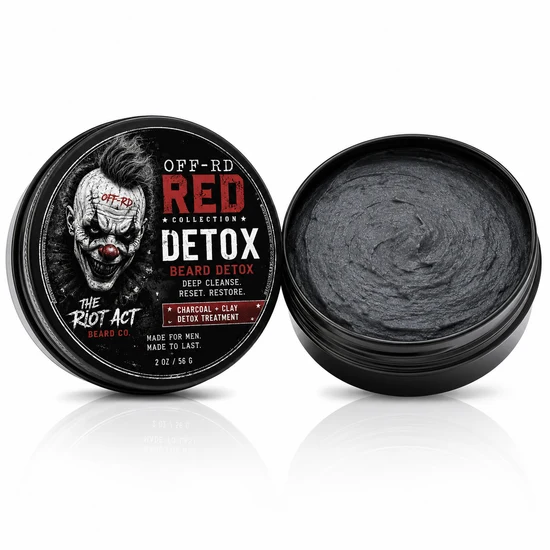
For mild buildup, a dedicated beard detox can help reset the routine. Off Road Red Beard Detox is designed for the days when your beard needs a deeper clean without turning your grooming routine into a chemistry experiment.
Use a detox product according to its label directions. It can help remove buildup, but it is not a replacement for medical treatment if you have seborrheic dermatitis, eczema, psoriasis, or another skin condition.
3. Rinse until the water runs clean
Leftover cleanser can dry on the skin and look like more dandruff. Take the extra few seconds to rinse under the jaw, through the mustache, and along the cheeks.
Then pat your beard dry with a clean towel. Do not rough up the hair with aggressive rubbing.
4. Apply beard oil to the skin underneath
Once your beard is damp: not dripping: apply a small amount of beard oil.
The goal is not to soak the beard. Place a few drops in your hands, rub them together, and work the oil through the beard down to the skin. Beard oil can help reduce the dry, tight feeling that often contributes to itch and flaking.
The Off Road Red collection brings that routine a bold, rugged scent, while Diesel & Iron delivers a darker industrial profile built around smoke, steel, and grit.
Start with less than you think you need. You can always add another drop. If your skin becomes increasingly greasy, red, or irritated after using oil, stop and reassess the product or speak with a medical professional.

5. Finish with beard balm when you need conditioning and control
Beard balm adds conditioning and light styling control. It can help soften coarse hair, reduce flyaways, and hold moisture in the beard.
Warm a small amount between your palms before applying. Work it through the hair, then use your fingertips to reach the skin lightly. Avoid packing a heavy layer onto the roots.
Use balm when your beard feels rough, unruly, or exposed to dry weather. Use less when your beard already feels oily or coated.
You can explore the company’s current bundles to build a simple wash, oil, and balm routine around your beard’s needs.
How to Stop Beard Itch
To stop beard itch, address the cause instead of scratching at the symptom.
- Wash consistently, but do not over-wash.
- Use lukewarm water instead of very hot water.
- Work cleanser into the skin beneath the beard.
- Rinse away all product residue.
- Apply a small amount of beard oil after washing.
- Use balm for conditioning and light control.
- Brush gently to distribute product and loosen flakes.
- Avoid picking or scratching the skin.
- Clean your brush and comb regularly.
- Reduce heavy product layers that trap sweat and debris.
If you use an anti-dandruff shampoo, choose one with an appropriate active ingredient and follow the product directions. Some men may benefit from ingredients such as ketoconazole, selenium sulfide, zinc pyrithione, or salicylic acid. These products can dry or irritate the skin when misused, so do not leave them on longer than directed.
If your beard itch continues after several weeks of consistent care: or if you notice significant redness, pain, bleeding, swelling, or discharge: contact a dermatologist.
Your Simple Beard Health Schedule
Every day
- Brush gently.
- Apply a small amount of beard oil if your skin feels dry.
- Keep your hands out of the beard as much as possible.
- Cleanse your face at night.
Two to three times per week
- Brush before washing.
- Cleanse the beard and the skin beneath it.
- Rinse thoroughly.
- Pat dry.
- Apply beard oil.
- Add a small amount of balm when you need extra conditioning or control.
Once per week, if needed
- Use a beard detox to remove stubborn buildup.
- Wash your brush or comb.
- Check the skin beneath the beard for redness, irritation, or recurring patches.
Stop Wearing the Flakes
A healthy beard does not happen by accident. It comes from cleaning the skin, using the right amount of conditioning product, and sticking with the routine long enough to see results.
Start with a proper cleanse. Follow with beard oil for the skin underneath and balm for the hair. Choose a scent profile that fits your world, whether that is the rugged confidence of Off Road Red or the smoke-and-steel attitude of Diesel & Iron.
For more about the brand’s small-batch approach and grooming philosophy, visit The Riot Act Beard Company. For ingredient information, review the company’s ingredients page.
Flakes are not part of the uniform. Clean the beard, condition the skin, and get back to work.